
Guide
Arabic Rhythms
At their core, Arabic rhythms rest on two sounds: the Dum, the low one, and the Tek, the high one. On the darbuka there is a third, played on the upper rim with the left hand: the Ka.
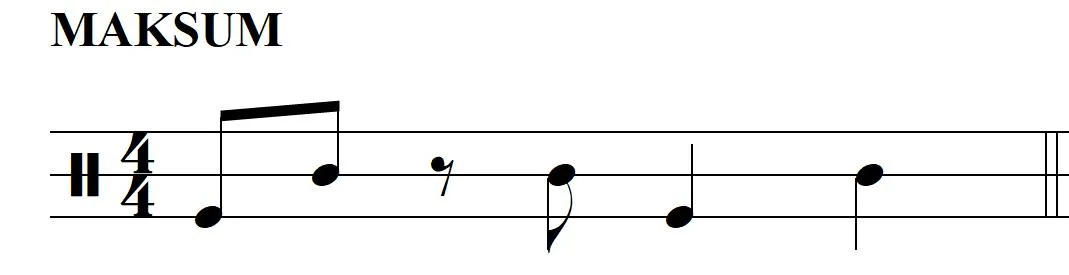
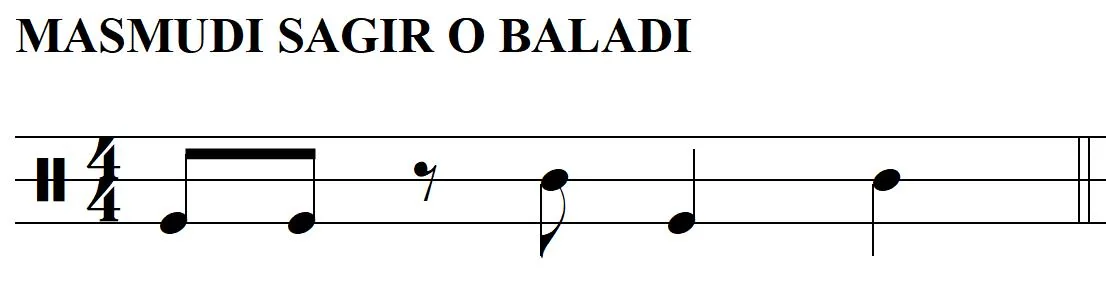
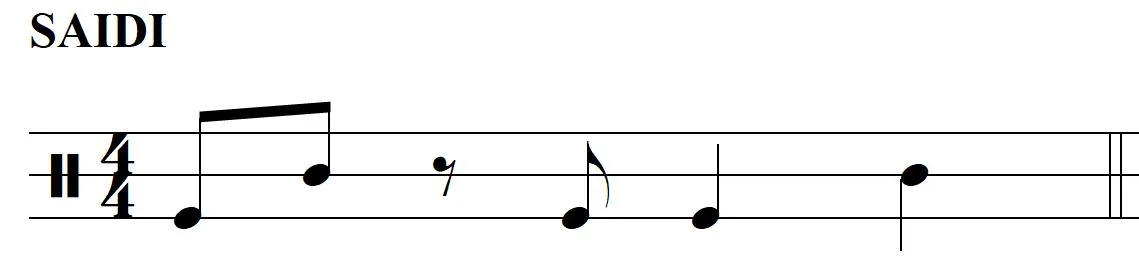
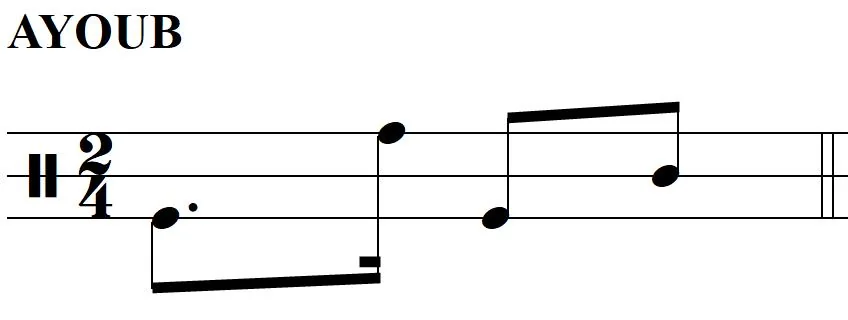
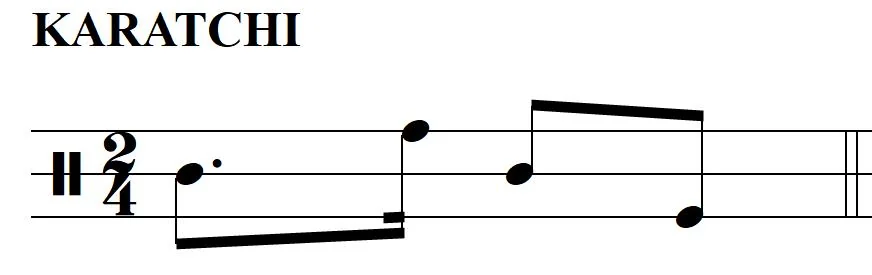
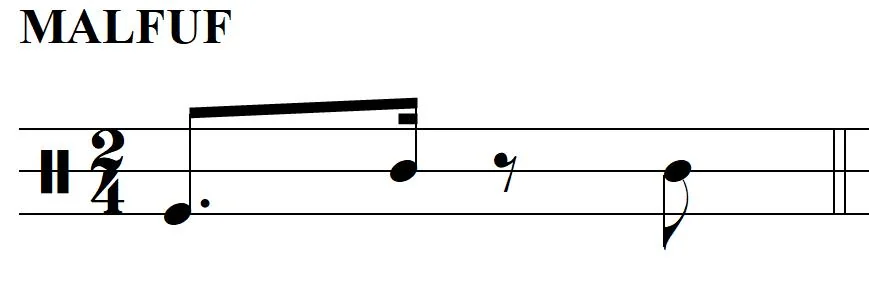
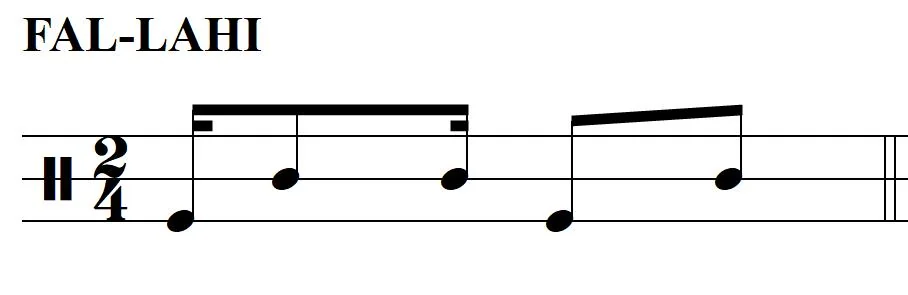
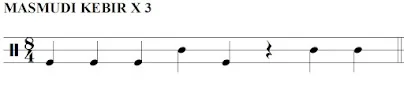
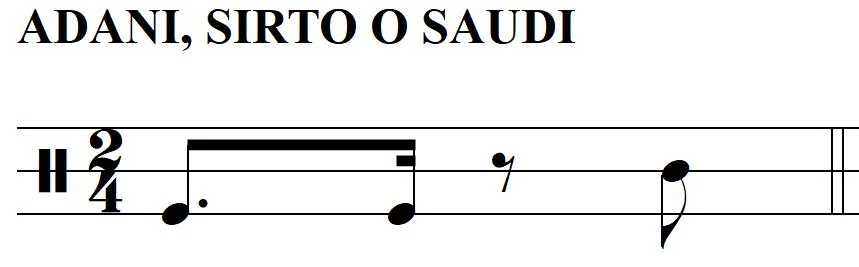
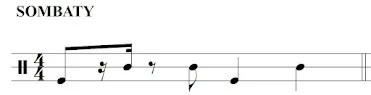
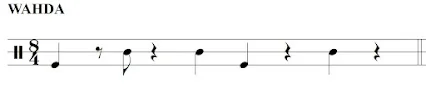
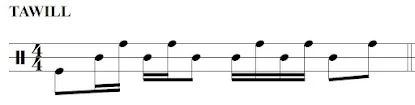
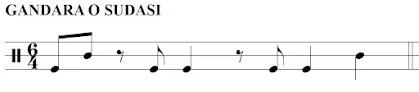
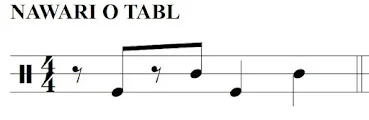
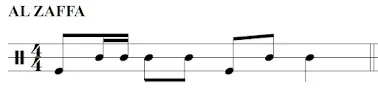
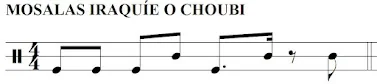
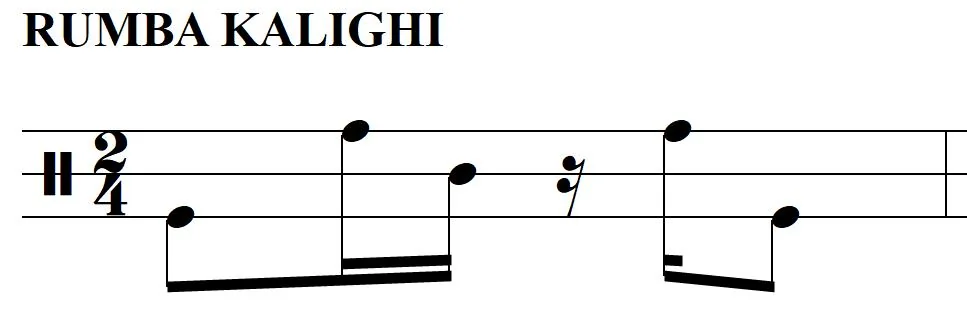
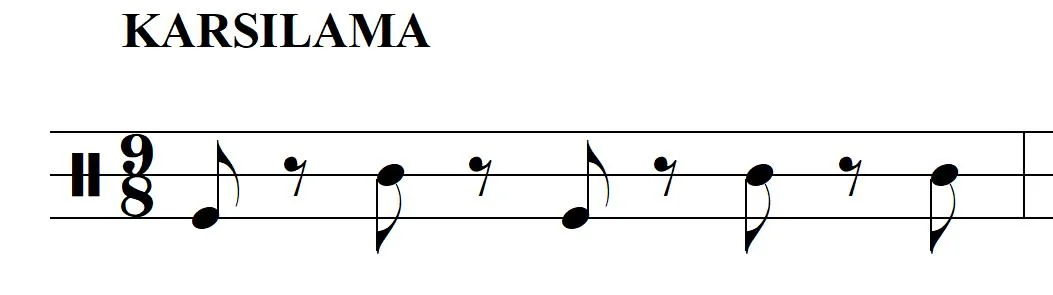
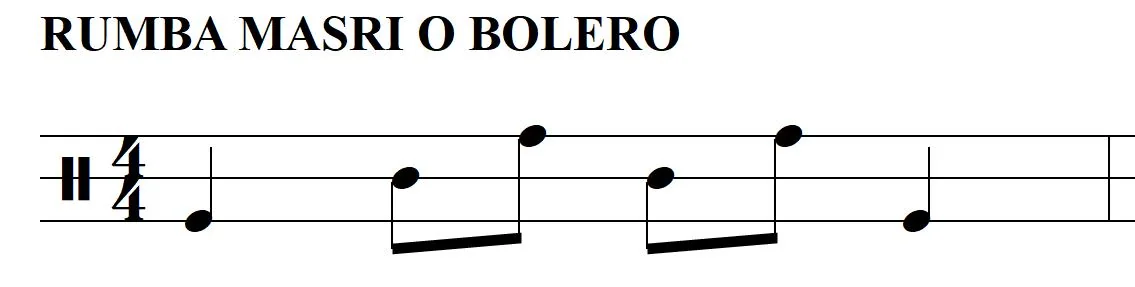
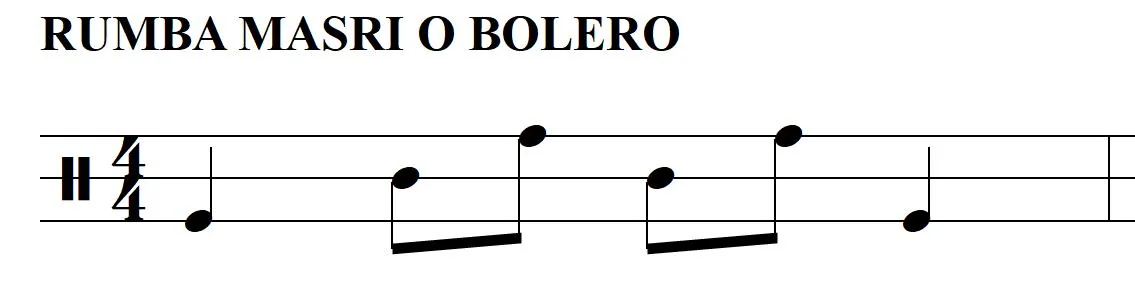
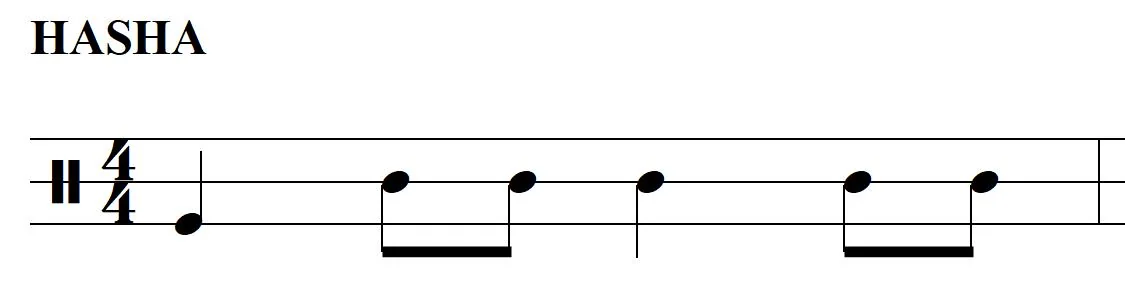
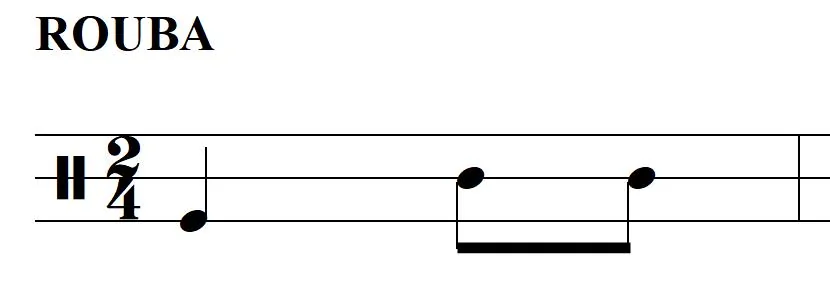
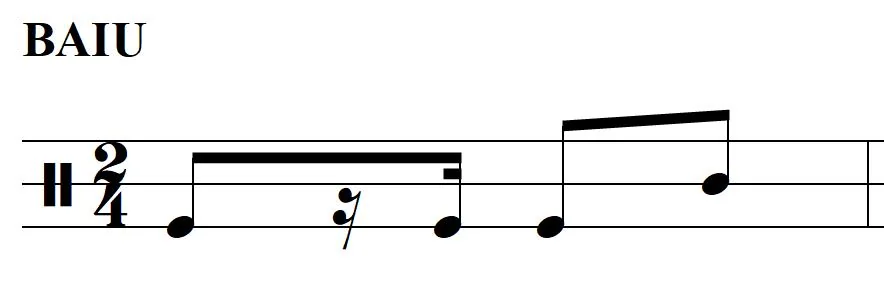
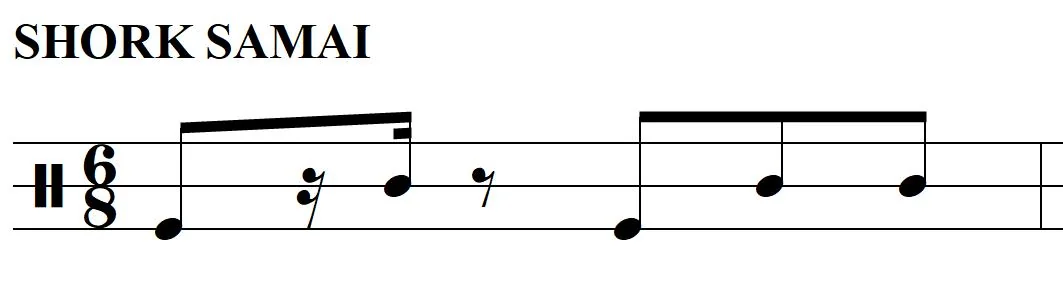
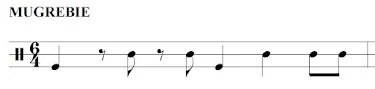
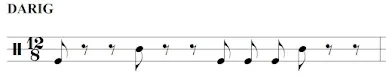
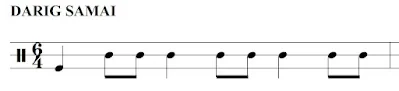
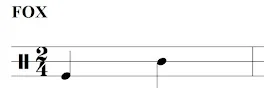
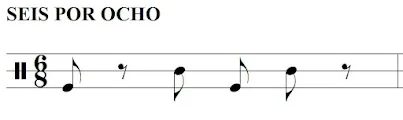
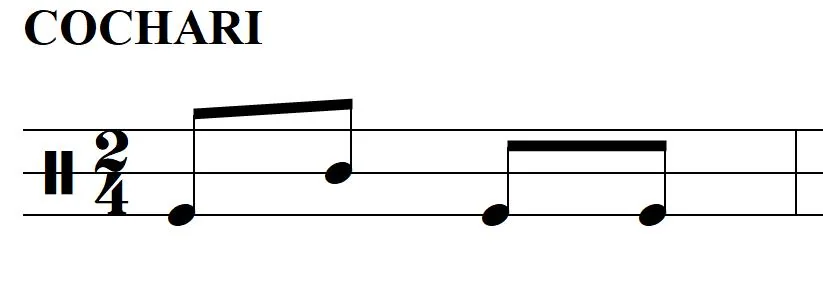
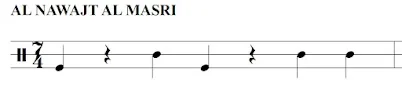
Below is the list of the rhythms recorded for this project, together with the written rhythmic base, where DUM is the bottom line, TEK the middle one and KA the top line.
Step into the world of Middle Eastern music!
Contents
- Maksum
- Masmudi sagir
- Saidi
- Ayoub
- Karatchi
- Malfuf
- Fal-lahi
- Masmudi kebir
- Masmudi kebir x3
- Cheftetellie
- Samai Taquil
- Jerk
- Adani, Sirto o Saudi
- Masmudi Guelbab
- Sombaty
- Wahda
- Tawill
- Gandara o Sudasi
- Nawari o Tabl
- Al Zaffa
- Mosalas Iraquíe o Choubi
- Núbi o Jomasi
- Conga Masri
- Samai Darey
- Vals
- Rumba Kalighi
- Karsilama
- Bolero
- Rumba Masri
- Hasha
- Rouba
- Baiu
- Shork Samai
- Mugrebie
- Darig
- Darig samai o Kantara
- Fox
- Bambi
- Laz
- Mogoli
- Aksak
- Persian
- Al saadaowi
- Dawer Hindi
- Cucurna
- Seis por ocho
- Cochari
- Al Muhagar
- AL NAWAJT AL MASRI
- Al Zarafat
- Al Muhamas al masri
01 · Maksum
A 4-beat rhythm. The name means “divided”, and it is used constantly for improvising and in tabla solos.
D – T – * – T – D – * – T – *
02 · Masmudi sagir
A 4-beat rhythm. The name means “of the people”, and it is one of the rhythms that define baladi music.
D – D – * – T – D – * – T – *
03 · Saidi
A 4-beat rhythm from southern Egypt, used for the folk dances of the cane
D – T – * – D – D – * – T – *
04 · Ayoub
A 2-beat rhythm used in rituals such as the Zaar and in music for the Sufi whirl
D – *K – D – T
05 · Karatchi
A 2-beat rhythm of Moroccan origin, very often combined with flamenco rumba and Cuban son.
T – *K – T – D
06 · Malfuf
A 2-beat rhythm of ethnic origin; in Egyptian the name means rolled up
D – *T – * – T
07 · Fal-lahi
A 2-beat rhythm from northern Egypt, the rhythm of the farmers' music. The name comes from Fal-lahin, meaning “farmer”.
D T – *T – D – T
08 · Masmudi kebir
An 8-beat rhythm, said to be the father of all Arabic rhythms.
D – D – * – T – D – * – T – T

09 · Masmudi kebir x3
One of the variations of the masmudi kebir; this one opens with three Dums.
D – D – D – T – D – * – T – T
10 · Cheftetellie
An 8-beat rhythm of Greek origin, tied in Arabic dance to the walk of the camel.
D – * T – * – T – D – D – T – *

11 · Samai Taquil
A 10-beat rhythm of Umayyad origin from Al-Andalus; in Egyptian the name means “the pleasure of listening”, and it is very common in the Muwashahah.
D – * – * – T – * – D – D – T – * – *

12 · Jerk
A 4-beat rhythm of Nubian origin; in dance the accents are usually marked.
D – * – T – * – D – D – T – *

13 · Adani, Sirto or Saudi
A 2-beat rhythm from the Persian Gulf, used for khaleegy dance
D – *D – * – T
14 · Masmudi Guelbab
An 8-beat rhythm, a variation of the masmudi kebir.
D – D D – * Tk – T k – T – T k – T – T k

15 · Sombaty
A 4-beat rhythm, said to be of Ghawazi origin.
D – * T – * – T – D – * – T – *
16 · Wahda
An 8-beat rhythm, used constantly in Egyptian classical music.
D – * T – * – T – D – * – T – *
17 · Tawill
A 4-beat rhythm, heard often in the taqsim of Arabic music. It has the same shape as the malfuf, but slower.
D – T k – T k – T – T k – T k – T – k
18 · Gandara or Sudasi
A 6-beat rhythm from the folk tradition of Lebanon, in a dance called Dabke
D T – * D – D – * D – D – T
19 · Nawari or Tabl
A 4-beat rhythm, used often in music for the dabke, and it can also be mixed with the Saidi.
* – D – * – T – D – * – T – *
20 · Al Zaffa
A 4-beat rhythm, traditionally used to accompany wedding ceremonies.
D – T T – T – T – D – T – T – *
21 · Mosalas Iraquíe or Choubi
A 4-beat rhythm, full of drive, used for the Iraqi dabke.
D – D – D – T – D – *T – * – T
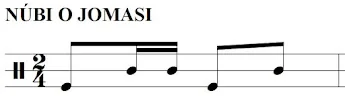
22 · Núbi or Jomasi
A 2-beat rhythm, part of the Nubian folk tradition.
D – T T – D – T
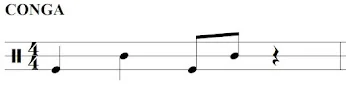
23 · Conga Masri
A 4-beat rhythm, with an Afro-Cuban influence
D – * – T – * – D – T – * – *
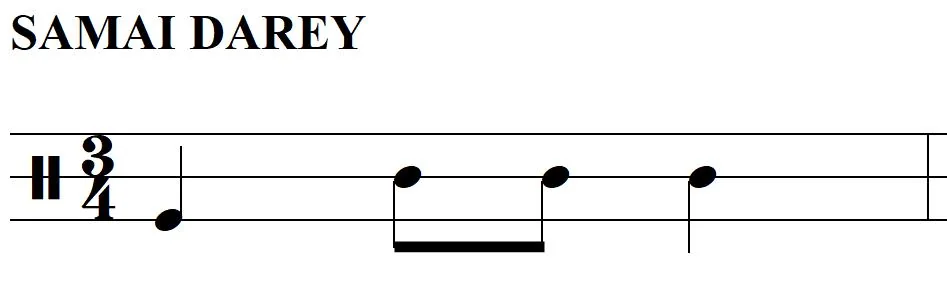
24 · Samai Darey
A 3-beat rhythm; in samai-style composition it usually sits alongside the samai taquil.
D – T T – T
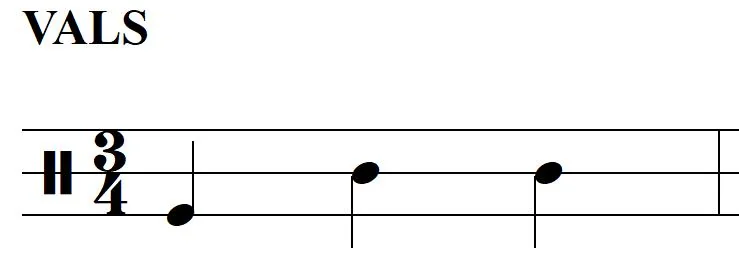
25 · Vals
A 3-beat rhythm, with a European influence.
D – T – T
26 · Rumba Kalighi
A 2-beat rhythm, normally used for khaleegy-style music.
D – K T – * K – D
27 · Karsilama
A 9-beat rhythm of Turkish origin, used a great deal in Roma dance.
D – * – T – * – D – * – T – * – T
28 · Bolero
A 4-beat rhythm, with a Latin American influence.
D – T K – T K – D
29 · Rumba Masri
A 4-beat rhythm with the same shape as the bolero, but played at twice the speed.
D – T K – T K – D
30 · Hasha
A 4-beat rhythm, used a great deal for dancing with daggers.
D – T T – T – T T
31 · Rouba
A 2-beat rhythm, full of drive, used for kawaleya dance
D – T T
32 · Baiu
An Egyptian rhythm in 2 beats.
D – * D – D – T
33 · Shork Samai
A 6-beat rhythm.
D – *T – * – D – T – T
34 · Mugrebie
A 6-beat rhythm with a quirk of its own: it opens by playing the two taks from the end.
D – *T – *T – D – T – TT
35 · Darig
A 12-beat rhythm.
D – * – * – T – * – * – D – D – D – T – * – * – *
36 · Darig samai o Kantara
A 6-beat rhythm, heard often in Egyptian classical pieces.
D – TT – T – TT – T – TT
37 · Fox
A 2-beat rhythm, with an American influence.
D – T
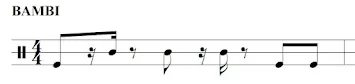
38 · Bambi
A rhythm of Egyptian origin, in 4 beats.
D – *T – * – T – *T – * – D – D
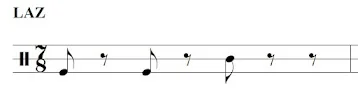
39 · Laz
A 7-beat rhythm, very common in tribal music.
D – * – D – * – T – * – *
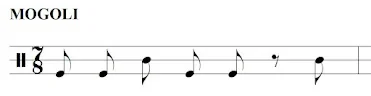
40 · Mogoli
A 7-beat rhythm, very common in tribal music.
D – D – T – D – D – * – T
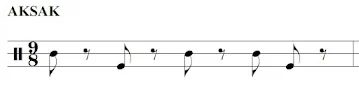
41 · Aksak
A Turkish rhythm in 9 beats, much like the karsilama but played slower.
T – * – D – * – T – * – T – D – *
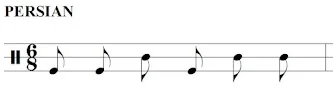
42 · Persian
A 6-beat rhythm.
D – D – T – D – T – T
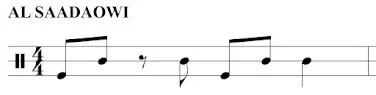
43 · Al saadaowi
A 4-beat rhythm, of Tunisian origin.
D – T – * – T – D – T – T – *
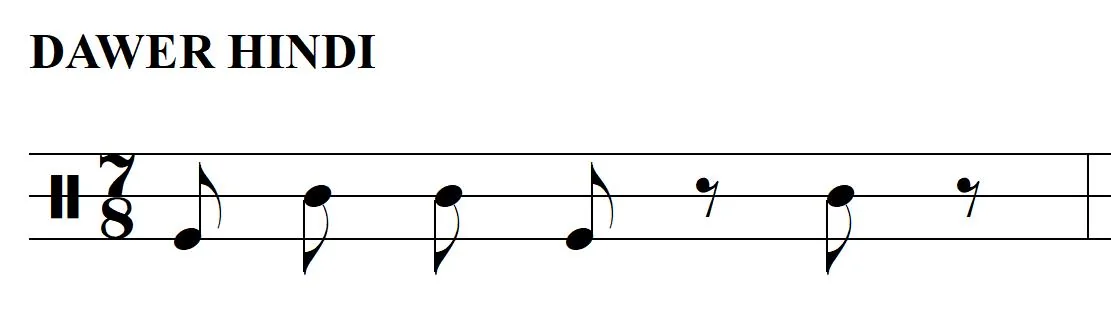
44 · Dawer Hindi
A 7-beat rhythm. Its name means “Hindu Turn”, and it is used a great deal in the Muwashahat.
D – T – T – D – * – T – *
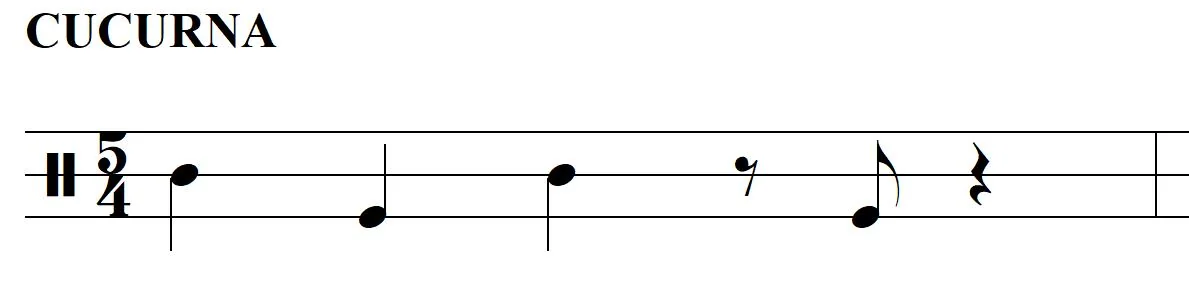
45 · Cucurna
An Iraqi rhythm in 5 beats.
T – D – T – *D – *
46 · Seis por ocho
A 6-beat rhythm, usually heard in Armenian and Iranian music.
D – * – T – D – T – *
47 · Cochari
An Armenian rhythm in 2 beats; it also has variations that can run to 4 beats.
D – T – D – D
48 · Al Muhagar
A 14-beat rhythm.
D – D – D – * – T – * – D – *T – * – T – T – * – T – T

49 · AL NAWAJT AL MASRI
A 7-beat rhythm.
D – * – T – D – * – T – T
50 · Al Zarafat
A 13-beat rhythm.
D – * – T – D – * – * – T – * – D – D – T – * – *

51 · Al Muhamas al masri
A 16-beat rhythm.
D – * – D – * – D – *T – * – T – T – * – T- T – D – * – * – *